
Strategie alternative: oro e argento
In un periodo di turbolenze economiche, i metalli monetari destano interesse.
PERCHÉ INVESTIRE SULL'ARGENTO INSIEME ALL'ORO FISICO?
Nell’attuale era di incertezze politiche l’oro è una moneta “apolitica” dato che non è emessa da una banca centrale o da un governo. Il dollaro statunitense è invece altamente politicizzato: la minaccia della de-dollarizzazione è sempre presente ed il ruolo privilegiato del dollaro statunitense nel sistema finanziario mondiale è sempre più messo in discussione.
Le banche centrali iniettano inoltre enormi quantità di liquidità per stimolare il sistema, gonfiando i loro bilanci a livelli estremi. E diversamente da quanto accaduto nel 2008, questo denaro affluisce nell’economia reale.
La storia ci insegna che ciò potrebbe tradursi in un incremento dell’inflazione, con tassi di interesse reali negativi e una svalutazione delle monete fiduciarie.
Se la Federal Reserve dovesse adottare una politica monetaria ancora più estrema, come la Teoria Monetaria Moderna o l”helicopter money” per sostenere i piani di spesa del governo, ciò spingerebbe ulteriormente l’oro al rialzo in quanto strumento di copertura contro l’inflazione.
Includere l’argento nel portafoglio offre il potenziale per rendimenti più alti rispetto a un’allocazione di oro puro. I prezzi dell’argento tendono a seguire quelli dell’oro. L’argento tipicamente aumenta di valore più velocemente dell’oro quando i prezzi dei metalli preziosi sono in aumento. Ma poiché i mercati dell’argento sono più piccoli, i prezzi dell’argento diminuiscono anche piùvelocemente quando entrambi i metalli sono in calo. L’argento ha anche una doppia importanza come componente industriale, oltre ad essere una riserva di valore monetaria.
Why allocate to silver alongside physical gold?
Including silver in the portfolio offers the potential for higher returns than a pure gold allocation. Silver prices tend to follow gold. Silver typically increases in value faster than gold when precious metal prices are rising. But because silver markets are smaller, silver prices also decline faster when both metals are falling. Silver also has dual importance as an industrial component, as well being a monetary store of value. There is growing demand for silver for use in green technologies, such as photovoltaic cells for solar panels, and it is widely used in electronics! Silver can be found in solar cells, water purifiers, touch screen & smartphones, electric vehicles and semiconductors.
I pannelli solari usano la pasta d'argento per rivestire i wafer di silicio
L'argento protegge ifiltri dai batteri
L'argento ultrasottile migliorerà i touchscreen degli smartphone
L'argento sarà vitale nelle batterie avanzate
L'alta conducibilità dell'argento lo rende vitale nella produzione di chip
Il team
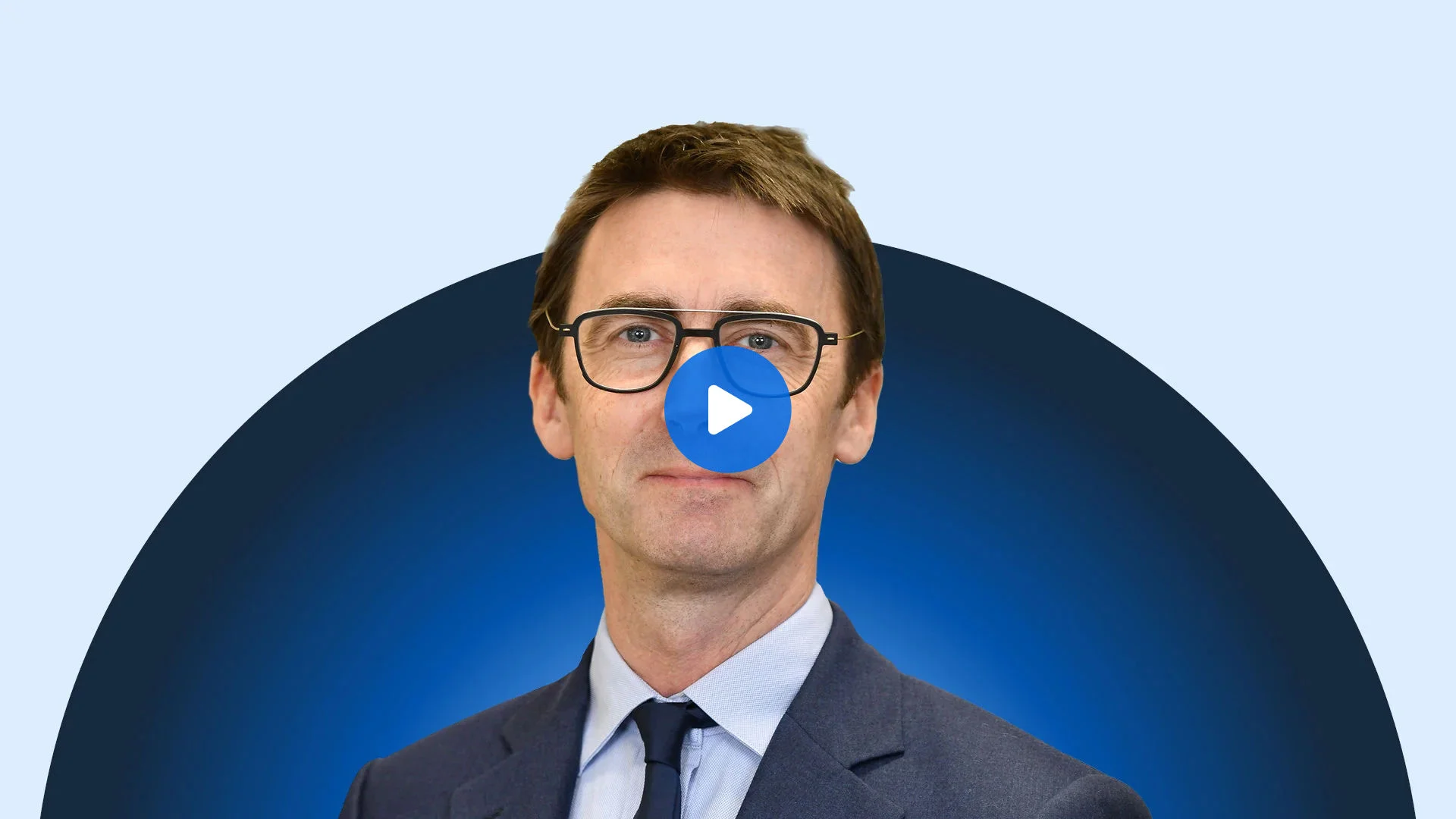
Ned è entrato in Jupiter da Merian Global Investors e gestisce il fondo Jupiter Gold & Silver. Ha quasi vent’anni di esperienza negli investimenti in metalli preziosi. In precedenza, aveva lavorato in Quilter Cheviot, dove aveva creato un fondo dedicato ai metalli monetari nel 2009. Ned ha iniziato la sua carriera in Smith & Williamson e si è laureato all’Università di Bristol nel 1998, con un BA in Spagnolo.



Informazioni Importanti
Rischio d’investimento - non esistono garanzie che l’obiettivo d’investimento del Fondo verrà conseguito. È possibile perdere una parte o la totalità del capitale investito.
Rischio di concentrazione dei settori - gli investimenti del fondo sono concentrati su società del settore risorse naturali e potrebbe essere soggetto a un maggior grado di rischio e volatilità rispetto a un fondo che segue una strategia più diversificata. L'argento tende a superare le performance dell'oro in un ambiente di aumento del prezzo dell'oro e tende ad avere prestazioni inferiori a quelle dell'oro se il sentiment si oppone al settore.
Rischio di strategia - poiché il Fondo investe in altri organismi d’investimento collettivo - che a loro volta investono in attivi quali obbligazioni, azioni societarie, liquidità e valute - esso sarà esposto ai rischi aggregati di tali altri fondi tra cui, potenzialmente, il rischio dei mercati emergenti e il rischio associato a società di piccole dimensioni.
Rischio di azioni societarie - il valore di azioni societarie (partecipazioni al capitale sociale) e investimenti analoghi può aumentare o diminuire in funzione della performance delle singole società e può risentire delle fluttuazioni giornaliere del mercato azionario e delle condizioni generali di mercato. Altri fattori di influenza comprendono eventi politici, notizie economiche, utili aziendali e importanti eventi societari.
Rischio di concentrazione (numero di investimenti) - talvolta il Fondo può detenere un numero di investimenti minore; di conseguenza una perdita di valore su un singolo investimento può incidere sul valore del Fondo in misura maggiore di quanto accadrebbe se il numero degli investimenti fosse superiore.
Rischio di società di piccole dimensioni - le aziende di minori dimensioni espongono potenzialmente a rischi e rendimenti maggiori. Gli investimenti possono essere volatili o potrebbe essere difficoltoso venderli o realizzarli.
Rischio di liquidità - alcuni investimenti potrebbero essere difficili da valutare o vendere in un dato momento e a un dato prezzo. In circostanze estreme ciò può incidere sulla capacità del Fondo di soddisfare le richieste di rimborso.
Rischio di cambio - il Fondo può essere esposto a diverse valute. Il valore delle vostre quote/azioni può salire o scendere a seguito delle fluttuazioni dei cambi.
- Rischio di derivati - il Fondo può utilizzare strumenti derivati per generare rendimenti e ridurre i costi e/o il rischio complessivo del portafoglio. L’utilizzo di strumenti derivati può comportare un livello di rischio più elevato. Una piccola variazione del prezzo degli investimenti sottostanti può causare una variazione estremamente ampia del prezzo dell’investimento in strumenti derivati. Gli strumenti derivati comportano anche un rischio di controparte, ossia che le istituzioni che sono controparte di un’operazione in derivati potrebbero non rispettare i propri obblighi contrattuali.
Per una spiegazione più dettagliata dei rischi, consultare la sezione “Fattori di rischio” del prospetto.


This is a marketing communication. Please refer to the latest sales prospectus of the sub-fund and to the Key Investor Information Document (KIID), particularly to the sub-fund’s investment objective and characteristics including those related to ESG (if applicable), before making any final investment decisions.
This communication is intended for investment professionals and is not for the use or benefit of other persons, including retail investors.
This communication is for informational purposes only and is not investment advice. Market and exchange rate movements can cause the value of an investment to fall as well as rise, and you may get back less than originally invested. Initial charges are likely to have a greater proportionate effect on returns if investments are liquidated in the shorter term.
Past performance is not a guide to future performance. Company examples are for illustrative purposes only and are not a recommendation to buy or sell. Quoted yields are not a guide or guarantee for the expected level of distributions to be received. The yield may fluctuate significantly during times of extreme market and economic volatility. Awards and Ratings should not be taken as a recommendation. The views expressed are those of the Fund Manager(s) / author(s) at the time of writing, are not necessarily those of Jupiter as a whole and may be subject to change. This is particularly true during periods of rapidly changing market circumstances. Every effort is made to ensure the accuracy of the information provided but no assurance or warranties are given.
This is not an invitation to subscribe for shares in the Jupiter Asset Management Series plc (the Company) or any other fund managed by Jupiter Asset Management (Europe) Limited or Jupiter Investment Management Limited. The Company is an investment company with variable capital established as an umbrella fund with segregated liability between sub-funds which is authorised and regulated by the Central Bank of Ireland pursuant to the European Communities (Undertakings for Collective Investment in Transferable Securities) Regulations 2011, as amended. Registered in Ireland under registration number 271517. Registered office: 33 Sir John Rogerson’s Quay, Dublin 2, Ireland.
This information is only directed at persons residing in jurisdictions where the Company and its shares are authorised for distribution or where no such authorisation is required.
The sub fund(s) may be subject to various other risk factors, please refer to the latest sales prospectus for further information.
Prospective purchasers of shares of the sub fund(s) of the Company should inform themselves as to the legal requirements, exchange control regulations and applicable taxes in the countries of their respective citizenship, residence or domicile. Subscriptions can only be made on the basis of the latest sales prospectus and the Key Investor Information Document (KIID), accompanied by the most recent audited annual report and semi-annual report. These documents are available for download from www.jupiteram.com or can be obtained free of charge upon request from Jupiter Investment Management Limited (JIML), The Zig Zag Building, 70 Victoria Street, London, SW1E 6SQ, United Kingdom.
Issued by Jupiter Investment Management Limited, authorised and regulated by the Financial Conduct Authority.
No part of this document may be reproduced in any manner without the prior permission of JIML.